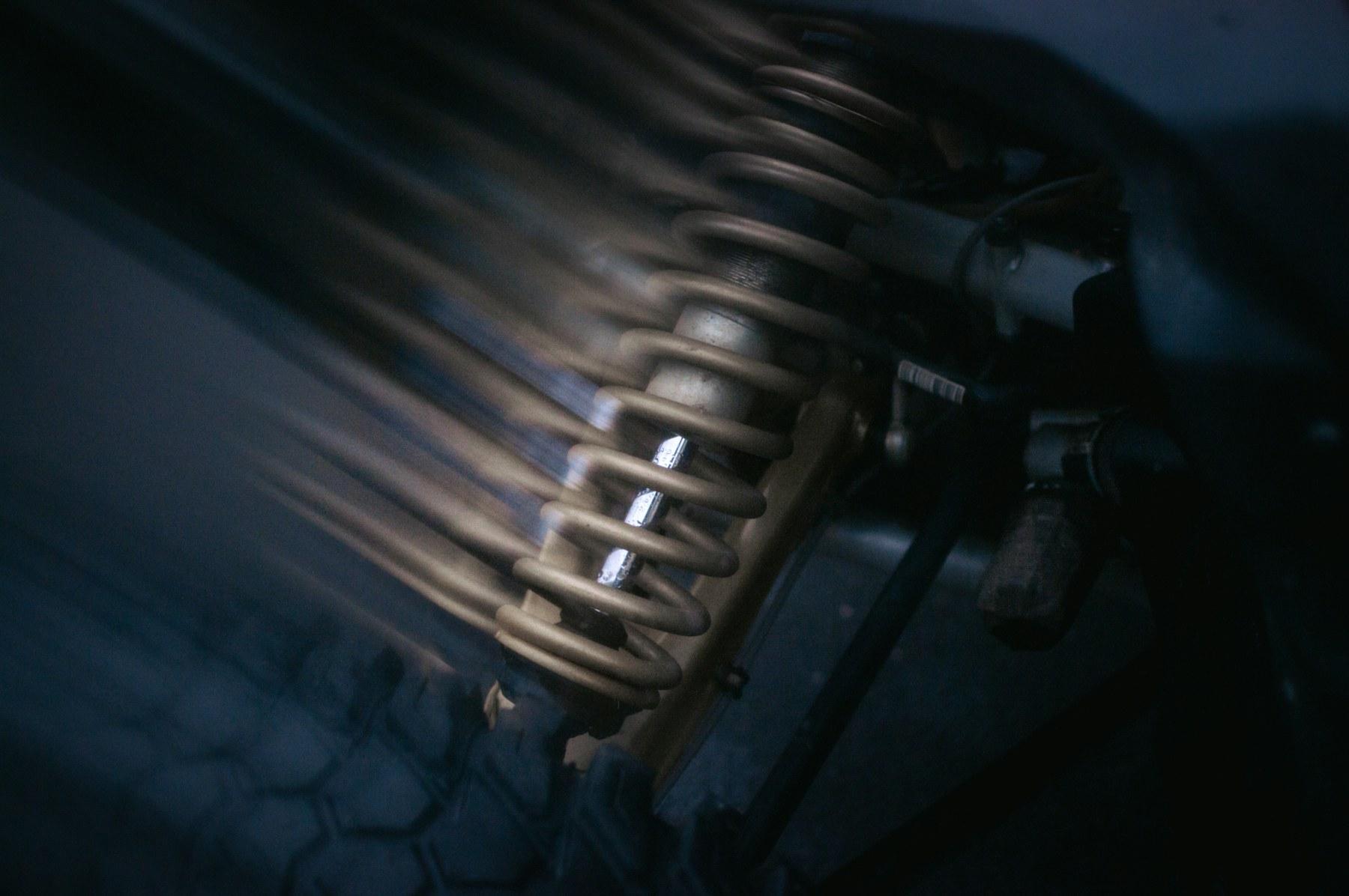
Wire selection considerations for the automotive spring industry
5 min read · Published September 2026 · Manisha Wires team
Automotive springs live a demanding life. A suspension coil or a valve spring may cycle through millions of loading events over a vehicle's lifetime, often under heat and vibration, with failure simply not an option. That makes wire selection one of the most consequential decisions in automotive spring production. Here are the factors that matter most.
Match the wire to the spring's job
Different automotive springs call for different wire families:
- Suspension coil springs are commonly made from oil hardened and tempered (OHT) alloy spring steel wire, such as chrome-silicon grades (for example SAE 9254 / ASTM A401 families), chosen for their strength and fatigue performance under heavy cyclic loads.
- Valve springs face some of the toughest fatigue demands in the vehicle, and typically use high-fatigue oil-tempered grades — the valve-spring-quality (VD) classes under EN 10270-2, such as VDSiCr and VDCrV — with very tight limits on surface and cleanliness.
- Smaller springs, clutch and mechanism springs may use music wire (ASTM A228) or hard-drawn spring wire where loads are lighter.
The selection factors that drive spring life
Fatigue resistance above all. Because automotive springs cycle so many times, fatigue life is usually the governing property. And fatigue life is driven less by headline strength than by two things: surface quality and internal cleanliness.
Surface quality. Seams, scratches, and decarburization on the wire surface act as crack-initiation sites — the starting point of fatigue failure. This is why valve-spring-quality grades carry stringent surface requirements; the surface is where springs most often fail.
Cleanliness and inclusions. Non-metallic inclusions inside the steel are internal stress raisers that shorten fatigue life. Premium spring grades are produced with tightly controlled inclusion content for exactly this reason.
Tensile strength and grade. The grade must suit the stress level the spring will see in service — high enough for the load, but selected in balance with fatigue and processing needs.
Diameter tolerance. As with any spring, force output is highly sensitive to wire diameter (to the fourth power), so consistent, in-tolerance wire is essential for parts that must hit a defined spring rate — and for stable automated coiling.
Decarburization and finish. Decarburization limits protect surface strength, and appropriate coatings or finishes protect against corrosion where the operating environment demands it.
Where a sourcing partner fits in
Selecting automotive spring wire is a balance of grade, standard, surface quality, and consistency — and consistency batch to batch is what keeps a coiling line running cleanly. As a distributor and supplier, our role is to help match your spring application to the right grade and to source oil hardened and tempered and spring steel wire from established manufacturers, supplied with the manufacturer's test documentation so you can verify what you're feeding into the line.
If you're specifying wire for a new automotive spring programme, the earlier we understand the application — the type of spring, the loads, and the standard you're building to — the better we can help you source the right material.
Send us your
enquiries.
Send the grade, diameter, temper and quantity. You get back availability, price and delivery — and the certificate that will come with the lot.
 1, Kamala Bhavan, Sharma Estate,
Walbhat Road, Goregaon East,
Mumbai – 400063, Maharashtra, India